Top 10 Benefits of Using Electrical Steel in Modern Applications?
Electrical steel plays a vital role in the modern industrial landscape. This material is essential for many applications, especially in electrical machinery. Its unique magnetic properties enhance the efficiency of devices. Power generation and transformation benefit greatly from electrical steel's characteristics.
When used in transformers and motors, electrical steel reduces energy loss. This ensures that machines operate more efficiently. However, the production of electrical steel can be complex. Manufacturers need to balance cost and quality. There are also environmental considerations in its production.
Not all electrical steel is created equal. Different grades offer various benefits, but they also present challenges. Understanding these nuances is crucial for industries aiming for optimal performance. By exploring the top benefits of using electrical steel, we can appreciate its significance in our technological evolution.
Understanding Electrical Steel: Composition and Properties
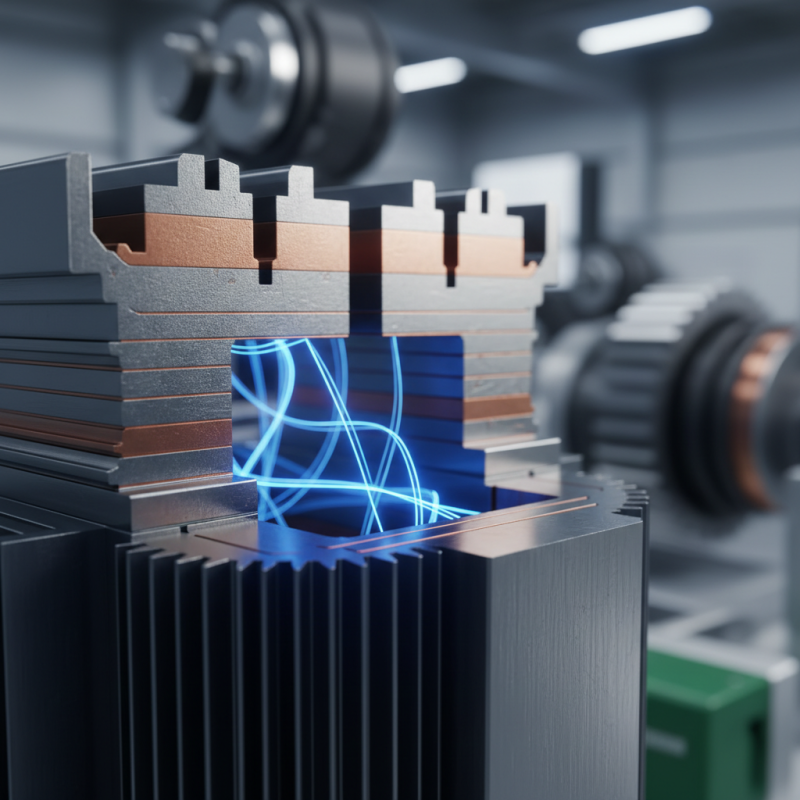
Electrical steel is a critical material in modern applications, especially in electric motors and transformers. Its unique composition typically includes silicon, which enhances its electrical properties. Earlier studies reveal that silicon content can reach up to 6.5% in certain grades. This allows for lower energy losses and improved efficiency. High permeability enables electrical steel to conduct magnetic flux effectively, making it a preferred choice for many electrical devices.
The properties of electrical steel vary based on its treatment process. Cold-rolled electrical steel is known for its thin gauge and excellent magnetic performance. In contrast, hot-rolled varieties provide better mechanical strength but may lack some magnetic efficiency. Interestingly, about 48% of electrical steel production is aimed at energy-efficient applications. However, the manufacturing process can be resource-intensive, leading to environmental concerns. It poses a challenge for producers to balance efficiency and sustainability.
As technologies evolve, the demand for innovative electrical steel continues to rise. However, issues such as supply chain constraints and raw material costs complicate production. The need for continuous improvement in processing techniques is evident. Ongoing research aims to enhance the properties of electrical steel while minimizing the ecological footprint. The focus on energy efficiency and sustainability remains crucial for industry growth.
Enhanced Magnetization: The Key Benefit of Electrical Steel
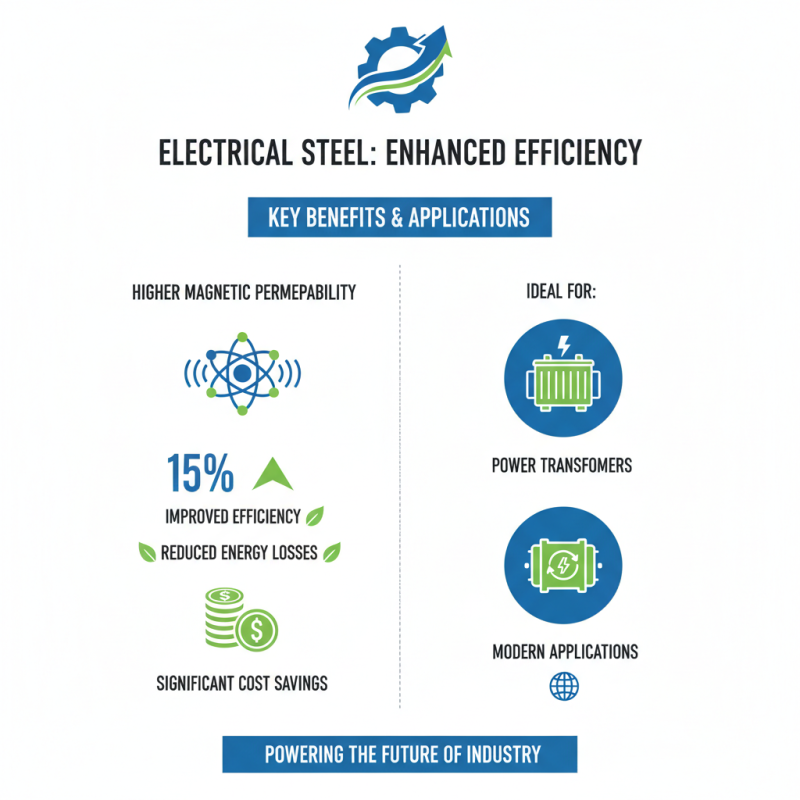
Electrical steel plays a crucial role in modern applications, particularly due to its enhanced magnetization properties. This material boasts higher magnetic permeability, making it ideal for power transformers and electric motors. Studies indicate that using electrical steel can improve efficiency by as much as 15%, leading to reduced energy losses. This can translate to significant cost savings, especially in large-scale industrial applications.
The enhanced magnetization of electrical steel also contributes to its lighter weight. Traditional materials can weigh much more, complicating design and transport. With electrical steel, manufacturers can design more compact systems without sacrificing performance. Reports have shown that lighter systems can reduce energy consumption by 5-10% during operation. However, achieving optimal performance often requires fine-tuning the alloy composition, which can be a time-consuming process.
Despite its advantages, challenges remain. Production of high-quality electrical steel relies on precise manufacturing processes. Variability in quality can lead to inefficiencies and increased costs. Additionally, not all electrical steel grades offer the same benefits, necessitating careful selection based on application needs. Awareness of these nuances is vital for engineers and designers striving for ultimate efficiency in their projects.
Energy Efficiency in Electrical Machines with Electrical Steel
Electrical steel plays a critical role in enhancing energy efficiency in electrical machines. These materials have low core losses, which is essential for reducing energy waste. According to a recent report by the International Energy Agency (IEA), using high-grade electrical steel in transformers can lead to energy savings of 1-2% globally. This percentage may seem small, but it translates to significant savings over time.
In electric motors, electrical steel improves performance dramatically. Research indicates that motors using premium electrical steel can achieve efficiency ratings above 95%. Improved efficiency means less energy is consumed. This is vital in applications ranging from home appliances to industrial machinery. However, there are challenges. Sourcing high-quality steel can be costly. It requires investments in advanced manufacturing techniques. Some companies struggle with the balance between cost and efficiency.
The benefits of electrical steel extend beyond performance. Using better materials aligns with sustainability goals. Reports show that manufacturing with high-efficiency electrical steel can reduce CO2 emissions substantially. Still, the focus on sustainability must not overshadow performance. Industries need to rethink how to integrate these advanced materials effectively without compromising on overall production costs.
Top 10 Benefits of Using Electrical Steel in Modern Applications
| Benefit |
Description |
Impact |
| Energy Efficiency |
Electrical steel has lower hysteresis loss, leading to reduced energy consumption in motors and transformers. |
Increased operational efficiency by up to 30%. |
| Reduced Weight |
Using electrical steel reduces the weight of electrical machinery, which enhances portability and design flexibility. |
Improved product designs with lower shipping costs. |
| High Magnetic Permeability |
Electrical steel allows for stronger magnetic fields which enhance motor performance. |
Improved efficiency in energy conversion. |
| Low Core Loss |
Lower core losses in electrical steel lead to reduced heat generation, which improves the lifespan of components. |
Enhanced longevity of electrical machines. |
| Better Noise Levels |
Electrical steel contributes to quieter operation of electrical machines. |
Improved user satisfaction in residential and commercial applications. |
| Enhanced Electrical Performance |
Improves overall electrical performance by maintaining voltage levels and reducing losses. |
Improved overall system reliability. |
| Versatility in Applications |
Can be used in a wide range of applications, from transformers to electric vehicles. |
Broad applicability enhancing product development. |
| Sustainability |
The use of electrical steel can reduce the environmental impact of electrical machinery. |
Aligns with green manufacturing initiatives. |
| Cost-effectiveness |
Long-term savings due to increased efficiency and lower operating costs. |
Reduced total cost of ownership. |
Applications of Electrical Steel in Renewable Energy Technologies
Electrical steel plays a pivotal role in renewable energy technologies. Its high magnetic permeability makes it essential in transformers and generators. These components help to efficiently convert energy, increasing overall sustainability. Solar inverters, for instance, rely on electrical steel to maintain performance and durability.
Wind turbines greatly benefit from electrical steel as well. The steel’s properties enhance energy conversion, making turbines more efficient. However, there are challenges. Not all electrical steel available meets the high standards required for optimal performance. Some manufacturers struggle with quality inconsistencies, leading to inefficiencies.
Additionally, recycling electrical steel can be complex. While it is eco-friendly, improper recycling methods can pose environmental risks. Researchers are looking into improving recycling processes to support the industry. As the demand for renewable energy grows, these issues must be addressed efficiently to harness the full potential of electrical steel.
Top 10 Benefits of Using Electrical Steel in Modern Applications
Future Trends: Innovations in Electrical Steel Usage and Production
The evolution of electrical steel is reshaping modern industries. With an increasing push for energy efficiency, innovations in electrical steel production are crucial.
Advanced manufacturing processes are being developed to reduce waste. According to a recent industry report, engineers estimate that improved methods can increase output efficiency by up to 20%.
This transition also decreases the environmental impact significantly.
Moreover, research indicates a trend towards using thin electrical steel sheets. These sheets enhance the performance of transformers and motors. They reduce energy losses in applications like renewable energy systems. Yet, challenges remain in balancing production costs with technological advancements. Manufacturers often face difficulty in scaling new materials economically.
Tip: Consider focusing on collaborating with research institutions. This approach can streamline the development of innovative electrical steel solutions.
As demand grows, recycling becomes vital. Up to 60% of electrical steel can currently be recycled, but this percentage needs improvement. Implementing circular economy practices could enhance sustainability.
Tip: Engage with local industries to create recycling partnerships. This collaboration can drive significant progress in future innovations.