Power Transformer Best Practices for Efficiency and Longevity?
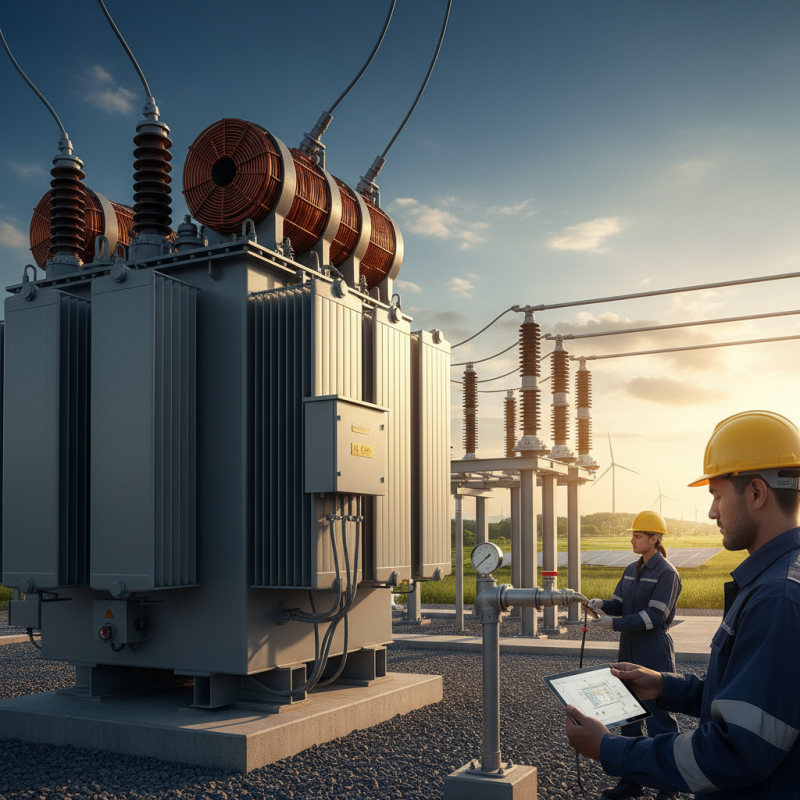
Efficient power transformers are crucial for sustainable energy systems. Their lifespan can dramatically impact operational costs. By implementing best practices, efficiency increases while maintaining longevity.
Many facilities overlook regular maintenance. This negligence can lead to unexpected failures. Temperature control, oil management, and insulation checks should not be neglected. Simple actions prevent costly repairs and downtime.
Understanding the specific needs of each power transformer is essential. Customizing maintenance schedules can offer better outcomes. Every transformer has unique characteristics that require attention. Proper care can enhance performance significantly over time. Exploring these best practices helps ensure reliable and efficient energy delivery.
Key Design Considerations for Power Transformer Efficiency
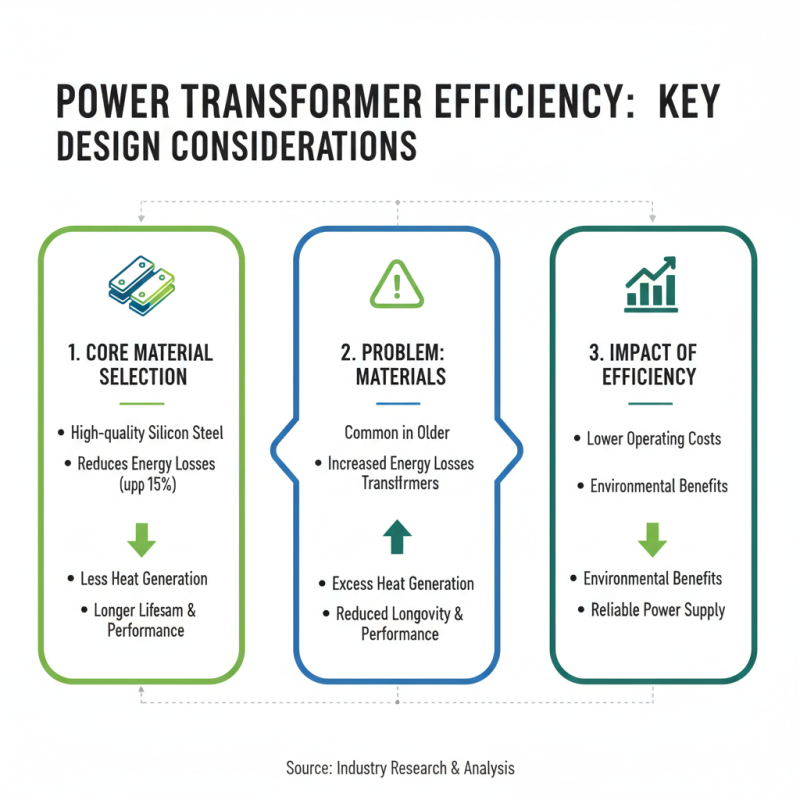
Design considerations play a critical role in enhancing the efficiency of power transformers. Core material selection significantly impacts energy losses. The use of high-quality silicon steel can reduce these losses by up to 15%. However, many transformers still utilize outdated materials. This can lead to excess heat generation, negatively affecting longevity and overall performance.
Insulation design is another vital factor. Proper insulation techniques can withstand high voltages while minimizing electrical stress. Poor insulation can lead to premature failures, causing significant downtime and repair costs. A recent report indicates that about 30% of transformer failures are due to insulation breakdown. Investing in advanced insulating materials can improve lifespan and maintain efficiency.
Cooling methods also require careful consideration. Effective cooling systems help dissipate heat and maintain optimal operating temperatures. Some transformers operate with insufficient cooling, leading to thermal stress. Inadequate cooling accounts for 20% of efficiency loss in transformers. Enhancing cooling methods can drastically improve performance and operational lifespan while reducing maintenance needs.
Essential Maintenance Practices for Longevity of Power Transformers
Power transformers are crucial in the power distribution network. Proper maintenance significantly impacts their lifespan and efficiency. Regular inspections should occur at least twice a year. Industry reports suggest that proactive maintenance can extend a transformer's life by up to 30%. This practice reduces the likelihood of unexpected failures.
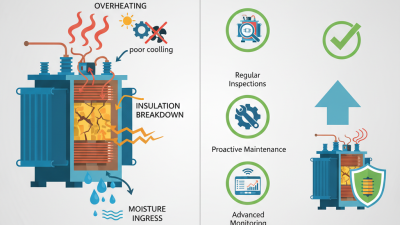
Monitoring oil quality is essential. Insulating oil's chemical composition can reveal hidden issues. Tests like dissolved gas analysis are critical. They can detect potential problems before they escalate. Reports indicate that 90% of transformer failures are linked to insulation failure or moisture ingress. Keeping moisture levels in check is vital.
Cleaning bushings and connections regularly prevents overheating. Corrosion can lead to serious issues, costing hundreds of thousands in repairs. Many facilities overlook the importance of maintaining these components. Regular monitoring and maintenance ensure reliable operation, but many still neglect these practices. Ignoring small signs can lead to larger consequences. Long-term efficiency relies on consistent attention to these details.
Impact of Operating Conditions on Transformer Performance
Operating conditions greatly affect transformer performance. High temperatures can degrade insulation quickly. When a transformer operates in extreme heat, its efficiency drops. Conversely, cold environments may also pose risks by causing condensation. This moisture can lead to short circuits or corrosion.
Regular monitoring is crucial. It’s important to check for vibrations and electrical imbalances. A minor issue can escalate into a major problem if ignored. Sometimes, operators overlook small irregularities. These issues can silently impact performance and lifespan. Maintenance schedules should include environmental assessments.
Moisture intrusion is another concern. Even in well-designed systems, leaks can occur. Sealing and insulation must be continually checked. Daily operational practices can also affect longevity. Operators should minimize load fluctuations. These changes can introduce stress. Finding the right balance is essential for sustained efficiency.
Power Transformer Efficiency and Longevity
This bar chart illustrates the impact of various operating conditions on the efficiency and longevity of power transformers. The data reflects the percentage efficiency and expected lifespan under different temperature and load conditions.
Innovative Technologies for Enhancing Transformer Efficiency
Innovative technologies play a crucial role in enhancing transformer efficiency. One of the most significant advancements is the use of advanced insulating materials. These materials reduce energy losses by minimizing heat generation. Research shows that replacing traditional insulating oils with synthetic alternatives can improve efficiency by up to 10%.
Another promising technology is the implementation of smart monitoring systems. These systems utilize IoT and AI to analyze transformer performance in real time. A report by a leading energy consultancy highlighted that these smart solutions could detect inefficiencies early. By doing so, they can reduce downtime and maintenance costs by around 25%.
However, the adoption of these technologies is not without challenges. High initial costs can deter installation. Furthermore, there may be a lack of skilled workforce to manage advanced systems. As organizations invest in innovative solutions, they must also address these gaps to ensure lasting benefits. The journey towards greater efficiency requires ongoing reflection and adaptation.
Monitoring and Diagnostic Tools for Transformer Health Management
Monitoring and diagnostic tools play a crucial role in transformer health management. Advanced technologies can detect issues early, significantly reducing unexpected failures. According to a report by the International Energy Agency, effective monitoring can increase transformer lifespan by up to 30%. Regular assessment is essential for identifying potential risks. Vibrations, temperature fluctuations, and gas analyses can provide insights into transformer health.
Tips: Implement regular diagnostic checks. Use thermal imaging to spot hot spots. Monitor oil quality for signs of degradation.
Moreover, the use of smart sensors enables real-time data collection. This allows for predictive maintenance. Data analytics can reveal patterns and trends over time. A study found that predictive maintenance strategies can lower maintenance costs by up to 25%. However, some companies struggle to integrate these technologies fully. This can lead to missed opportunities for improvement.
Tips: Train personnel on new technologies. Schedule consistent training sessions for team members. Stay updated on industry best practices.
Many operators underutilize diagnostic tools. Often, they rely on outdated methods. This can adversely affect transformer performance and longevity. Embracing modern monitoring solutions is key to maximizing efficiency. The challenges are significant, but the benefits are undeniable.