The Best Types of Micro Switches What You Need to Know?
micro switches are small yet crucial components in various devices. They serve as reliable switches that react to physical pressure or movement. Understanding the best types of micro switches is essential for anyone involved in product design or repair.
These switches come in various designs, each suitable for unique applications. From simple on/off functions to complex movement detection, they'll meet different needs. For example, some are ideal for household appliances, while others work well in industrial machinery.
Choosing the right micro switch involves careful consideration. Not all switches will perform equally in every situation. You might find that a switch you initially choose does not fit your specifications. Evaluating the various options will help you avoid mistakes. Being informed means less trial and error in your projects. So, it’s vital to know the features and limitations of different types of micro switches.
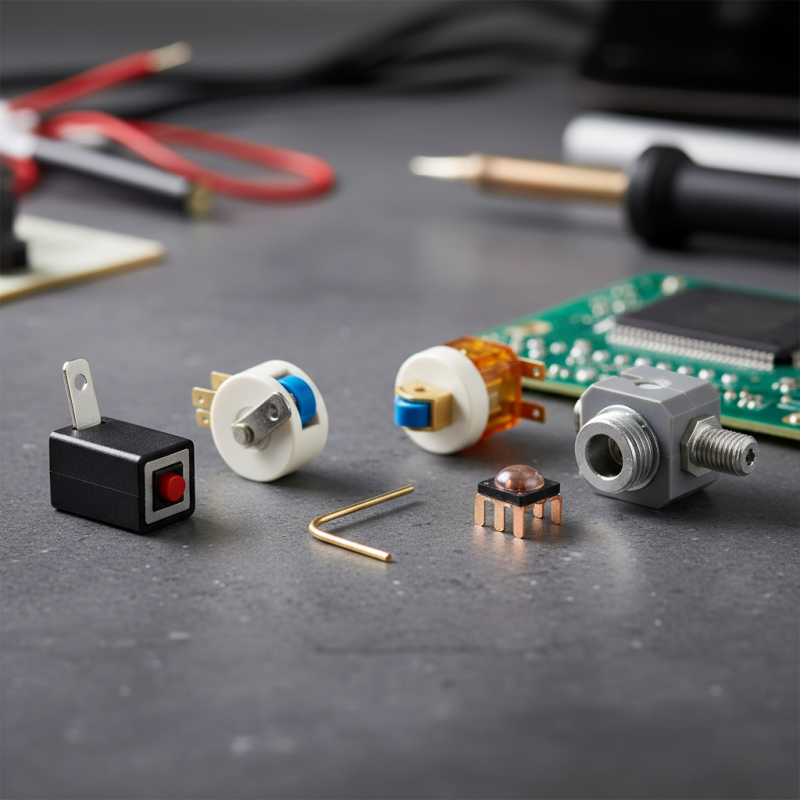
Understanding Micro Switches: An Overview of Their Functionality
Micro switches are essential components in various devices. They work by detecting small mechanical movements. When the actuator is pressed, electrical contacts either close or open. This simple mechanism allows micro switches to manage everything from home appliances to industrial equipment. Their compact size fits easily in any design.
Tips: When selecting a micro switch, consider the actuation force. It affects responsiveness. A switch that’s too stiff may lead to user frustration. Also, check the electrical ratings carefully. An inappropriate rating can cause failures, leading to larger issues.
Micro switches can differ greatly in quality. Some may fail prematurely under stress or environmental conditions. It’s essential to assess the reliability of the switches in your application. Regular testing can help identify any weaknesses. While they may seem small, their impact is significant. Missing a low-quality switch can result in expensive repairs or safety hazards.
The Best Types of Micro Switches What You Need to Know? - Understanding Micro Switches: An Overview of Their Functionality
| Type of Micro Switch | Functionality | Common Applications | Actuator Type | Operating Force |
| Basic Micro Switch | Simple on/off functionality for rapid switching | Home appliances, doors, and office equipment | Small lever, pin plunger | 100-250 grams |
| Heavy Duty Micro Switch | Designed for higher power applications with increased durability | Industrial machinery, elevators | Heavy-duty lever, roller | 200-500 grams |
| Waterproof Micro Switch | Protected against moisture and dust, suitable for outdoor use | Automotive, gardening equipment | Dome, lever | 150-300 grams |
| Miniature Micro Switch | Compact size for tight spaces with reliable performance | Consumer electronics, small devices | Small lever, roller | 50-150 grams |
| Snap Action Micro Switch | Rapid action with a distinct click mechanism for precision | Control systems, robotics | Standard plunger, roller | 80-200 grams |
Different Types of Micro Switches and Their Unique Features
Micro switches play a crucial role in many devices, providing precise control. They are small, but their impact is significant. There are several types of micro switches, each with unique characteristics that cater to different applications.
One common type is the snap-action switch. This switch operates quickly and has a distinct click sound that confirms activation. It's ideal for applications that require tactile feedback.
Another popular variant is the subminiature micro switch, which is compact and fits in tight spaces. Their small size can sometimes lead to challenges in durability. Users must ensure they are handling these switches correctly to avoid mechanical failure.
Moreover, there's the sealed micro switch, designed for harsh environments. These switches keep dust and moisture out, extending their lifespan. However, they can be more expensive. When selecting a micro switch, it’s essential to consider both the environment and feedback requirements.
Many users might overlook the importance of proper installation, leading to premature failure. Understanding each type's features helps in making informed decisions.
Common Applications of Micro Switches in Various Industries
Micro switches are vital components in many industries. They are designed for quick and precise switching. This reliability is crucial in applications like appliances, automotive systems, and industrial equipment. In the automotive sector, micro switches play a significant role in safety devices. They ensure that car doors and seat belts function correctly. Sometimes, these switches can fail, leading to safety issues. Regular checks are necessary to avoid these problems.
In household appliances, micro switches are found in washing machines and microwaves. They ensure proper operation and safety features. For instance, a door switch in a microwave prevents it from operating when opened. This protects users from accidental exposure. However, if these switches wear out, they can lead to malfunctions. Maintenance and timely replacement are often overlooked.
Micro switches are also common in industrial applications. They often serve as limit switches in machinery. These switches help in tracking the movement and position of machines. A malfunctioning micro switch can halt production. This can lead to significant downtime. It is crucial to monitor their performance closely. Proper calibration and adjustment can sometimes remedy their issues.
Factors to Consider When Choosing the Right Micro Switch
When choosing the right micro switch, several factors come into play. Start by examining the switch's actuation force. This refers to the amount of pressure needed to trigger the switch. A heavier actuation may not be suitable for delicate applications. Conversely, a lighter switch might fail in rugged environments. Think about where and how the switch will be used.
Next, consider the durability and lifespan of the micro switch. Some are designed for high-cycle operations, while others may wear out quickly in demanding settings. Materials of construction also matter. Look for corrosion-resistant options if the switch will be exposed to moisture or chemicals.
Environmental conditions can affect performance, too. Extreme temperatures or exposure to dust can lead to failures. Evaluating how well a micro switch suits your specific requirements is crucial. Sometimes, the perfect switch is not just about technical specs. Features that seem appealing may not work in real-world applications. Each project may need more thought than expected.
The Best Types of Micro Switches - Usage Comparison
Maintenance Tips to Ensure Longevity of Micro Switches
Micro switches are essential for various applications. Proper maintenance can extend their lifespan significantly. One key factor is regular cleaning. Dust and debris can impede function. Use a soft cloth to wipe the exterior. For deeper cleaning, gentle compressed air can clear out grime inside.
Temperature control is also vital. Excessive heat can damage micro switches. Keep them away from heat sources. Monitor their environment regularly. Humidity can also pose risks. Ensure they are in a dry area. Consider using silica gel packs in storage to absorb moisture.
It’s important to perform periodic checks. Look for any signs of wear and tear. If the actuator feels loose or unresponsive, this may indicate a problem. Small issues can escalate. Addressing them early can save time and money. Regular maintenance is not a luxury; it's a necessity. Neglect can lead to unexpected failures.
