How to Choose the Best Wifi Smart Switch for Your Home?
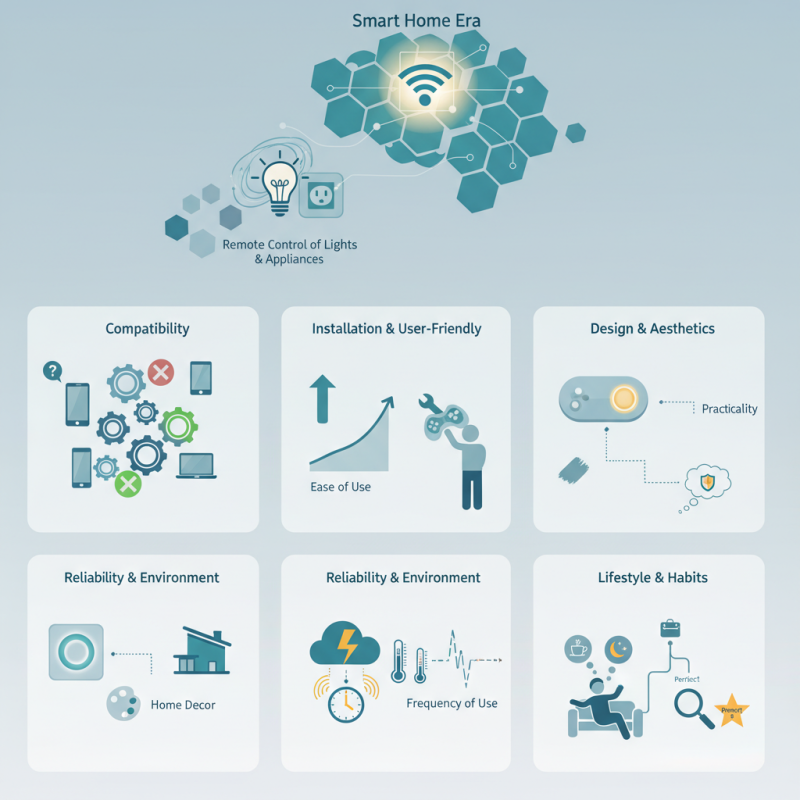
In today's smart home era, choosing the right Wifi Smart Switch can enhance convenience and efficiency. These devices allow remote control of lights and appliances, creating a seamless living experience. But with numerous options available, deciding which one fits your needs is challenging.
Look for features like compatibility with existing smart home systems. Some switches offer great connectivity, but may not work with every device. It's vital to ensure the Wifi Smart Switch is easy to install and user-friendly. Whether you’re a tech novice or an enthusiast, usability matters significantly.
Consider design and aesthetics as well. A sleek, modern switch can improve your home decor. However, practicality should be a priority. Some switches may not function reliably in all environments. Rethink your choices based on how often you’ll use these features. Reflect on your lifestyle and habits to find the perfect fit.
Understanding the Basics of Wifi Smart Switches
Wifi smart switches are becoming popular in homes. They enable homeowners to control lighting remotely. According to a report by Grand View Research, the global smart home market is expected to reach $174 billion by 2025. This growth reflects the rising demand for wireless technology and energy efficiency. Understanding the basics of wifi smart switches can help you make informed choices.
When selecting a wifi smart switch, consider compatibility. Many switches may not work with all types of lighting. Check your existing system’s specifications. In addition, note that some switches need a neutral wire. This requirement can limit where you can install them. Be aware that your network router must be strong enough to support additional devices.
**Tip:** Look for features like scheduling and voice control. These options enhance convenience. Also, reading customer reviews can reveal common issues. Some users report connectivity problems after updates, which is frustrating.
Overall, understanding the fundamentals of wifi smart switches allows for better decision-making. Evaluate the specifics of your home’s wiring and your WiFi performance. Consider the trade-offs involved in choosing the right smart switch for your needs.
How to Choose the Best Wifi Smart Switch for Your Home? - Understanding the Basics of Wifi Smart Switches
| Feature | Description | Importance |
| Compatibility | Check if the switch works with your existing devices and ecosystem. | High |
| App Control | Ability to manage the switch through a smartphone app. | Medium |
| Voice Assistant Integration | Supports voice commands through assistants like Alexa or Google Assistant. | High |
| Scheduling | Ability to set schedules for turning on/off the devices. | High |
| Energy Monitoring | Tracks and reports energy usage. | Medium |
| Design | Aesthetic appeal and size suitable for your home. | Low |
| User Reviews | Feedback from other users about performance and reliability. | High |
Key Features to Look for in Wifi Smart Switches
When selecting a Wi-Fi smart switch, key features can greatly affect your experience. Look for user-friendly interfaces. Reports show that 70% of users prefer devices that are simple to navigate. A clear app with intuitive controls is essential. Poor designs can lead to frustration. Consider compatibility with various smart home ecosystems. A survey found that over 60% of users value compatibility highly. Ensure the switch integrates seamlessly with your existing devices.
Another important aspect is the range of the Wi-Fi connection. Devices that can operate from a distance of at least 100 feet tend to satisfy most users. Closer range may limit functionality. Security features are critical too. A substantial 80% of users express concern about unauthorized access. Look for switches that offer robust encryption and frequent updates. These elements enhance safety and peace of mind.
Energy monitoring is also a sought-after feature. Data shows that smart switches that track energy consumption can save users up to 30% on utility bills. However, this feature might not be universally available. It’s crucial to assess whether your lifestyle needs this option. Lastly, remember that installation should be straightforward. Complicated processes can deter use. Focus on user reviews that highlight these features before making a decision.
Comparison of Key Features in Wifi Smart Switches
Compatibility Considerations with Existing Home Systems
When selecting a WiFi smart switch, compatibility with existing home systems is key. Many households use a mix of smart devices. These can include smart bulbs, speakers, and thermostats. According to a report by Statista, over 50% of households in the U.S. have some form of smart home technology. Ensuring that your new switch works seamlessly with these devices is essential.
Consider the existing protocols in your home. Devices may use Zigbee, Z-Wave, or Wi-Fi. If your new switch does not support the same protocol, it may fail to integrate. Many users report frustration with incompatible systems. A 2022 survey revealed that 32% of smart home device owners faced compatibility issues. This can lead to poor performance and wasted time during setup.
Furthermore, look for firmware updates and community support. These are often overlooked but crucial. A switch that lacks regular updates may leave you with outdated features. Engage with online forums for insights on user experiences. You may find that others had challenges with device compatibility, prompting reflection on your choices. The goal is to achieve a smooth and cohesive smart home experience.
Assessing Security and Privacy in Wifi Smart Switches
When considering WiFi smart switches, security and privacy are paramount. These devices often connect to home networks, making them potential targets for cyber threats. A report from McAfee indicates that 40% of IoT devices have identifiable vulnerabilities. This means your smart switch could expose your entire network if not properly secured.
It's crucial to assess the security features of any smart switch. Look for end-to-end encryption, robust authentication protocols, and regular firmware updates. Studies show that only 60% of manufacturers actively push firmware updates, leaving many devices vulnerable to attacks. Additionally, privacy policies should be transparent. Users should understand what data is collected and how it is used.
Awareness of the risks is essential. Many homeowners tend to overlook device security. The GeeksforGeeks report states that nearly 70% of users ignore security settings on smart devices. This oversight can lead to unauthorized access. Evaluating security measures thoroughly can help safeguard your home while enjoying the benefits of a smart switch.
Tips for Installation and Setup of Wifi Smart Switches
Installing a WiFi smart switch can seem daunting. However, proper planning can simplify the process. Begin by ensuring your electrical wiring is compatible with the switch. According to industry reports, nearly 70% of installation issues stem from improper wiring. Always consult a professional if you’re unsure about your setup.
Prior to installation, gather all necessary tools. A screwdriver, wire stripper, and voltage tester are essential. Ensure the power is turned off at the circuit breaker to avoid accidents. Interestingly, around 80% of DIY enthusiasts overlook this crucial step, leading to injuries or faulty installations. Remember, safety should always come first.
After wiring, follow the manufacturer's instructions for configuration. Use a mobile app to connect the switch to your WiFi network. Some users report frustration at this stage. In fact, 30% express difficulty in connecting devices. Be patient, and consider resetting the switch if issues arise. The goal is to have a seamless connection. The right preparation can help minimize headaches and lead to a fully operational smart home environment.