How to Choose the Right Dry Transformer for Your Electrical Needs?
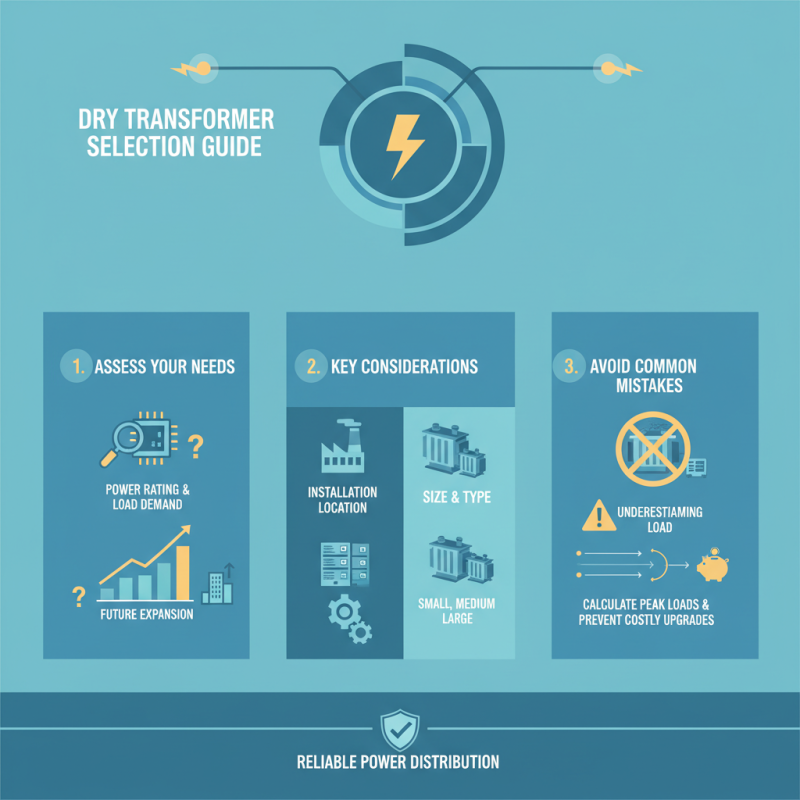
Choosing the right dry transformer is crucial for reliable power distribution. These transformers are a key component in electrical systems, providing efficient voltage regulation. Understanding your specific needs is essential before making a decision.
When selecting a dry transformer, consider factors like power rating and installation location. These transformers come in various sizes, so it is important to choose one that matches your requirements. Sometimes, the right choice is not the most obvious one.
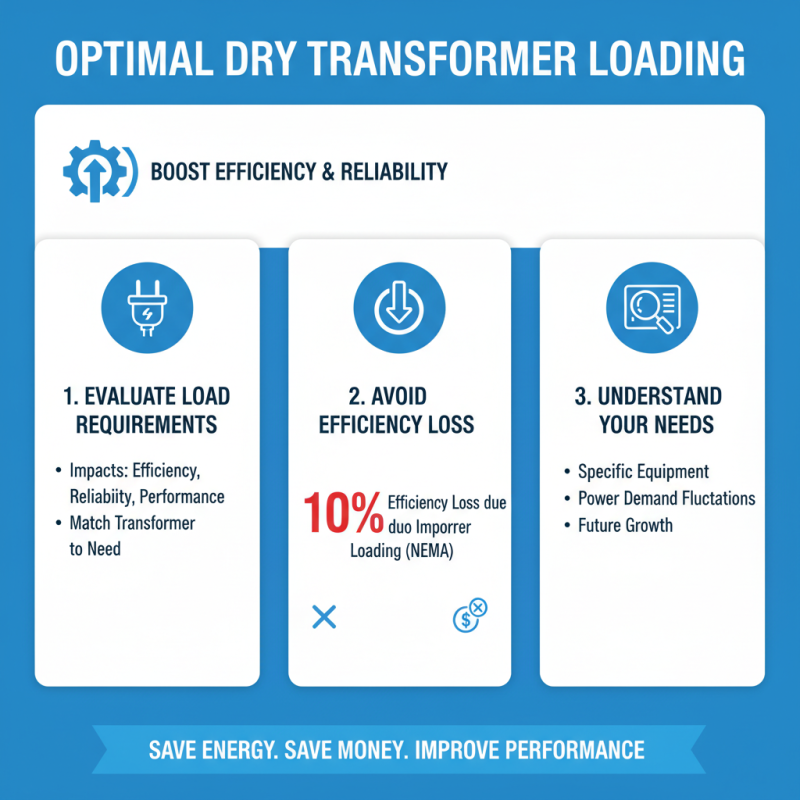
A common mistake is underestimating load demands. It's vital to assess future needs, not just current ones. This might involve calculating peak loads and potential expansions. Taking these steps ensures that your dry transformer will serve you well for years to come, preventing costly upgrades later.
Understanding Dry Transformers: Basics and Applications
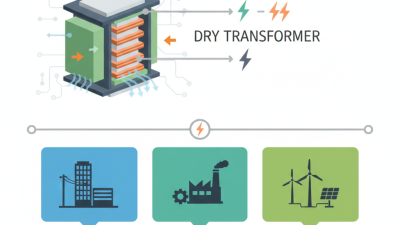
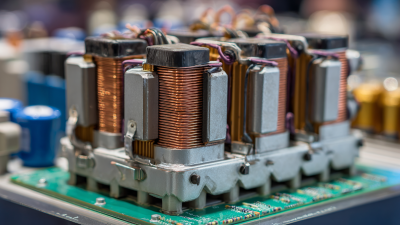
When choosing a dry transformer, understanding how they work is crucial. Dry transformers are air-cooled. This makes them ideal for various applications where moisture exposure is a concern. They typically use insulating materials like resin. Their design allows for efficient heat dissipation. This feature makes them a popular choice in industrial settings.
In practice, selecting the correct dry transformer can be challenging. You'll want to consider power rating, voltage levels, and installation space. An undersized transformer may overheat or fail under heavy load. Conversely, an oversized one can lead to energy waste. Additionally, think about the environment where the transformer will be used. Noise levels and vibration can impact performance in sensitive areas.
Budget also plays a significant role in your decision. While dry transformers are generally more expensive upfront, their low maintenance costs can make them a better long-term investment. Sometimes, users overlook these factors. It's essential to weigh all aspects carefully, even if it seems tedious. Understanding your specific needs will ultimately lead to a more satisfying choice.
Key Factors to Consider When Selecting a Dry Transformer
When selecting a dry transformer, it's vital to consider key factors. Voltage requirements are crucial. Determine if you need single-phase or three-phase equipment. Each type serves different situations effectively. Calculate the power demand to ensure you choose the correct wattage. Also, account for future expansion. You don't want to under-specify and face limitations later.
Temperature ratings play a significant role too. Dry transformers are sensitive to heat. Understand the operating environment. High ambient temperatures can affect performance. Check if there’s adequate ventilation in the installation area. Consider noise levels as well, especially in residential spaces. Some designs operate quietly, while others might not.
Lastly, look at efficiency and losses. Higher efficiency transformers save energy costs in the long run. But they might come with a higher initial price tag. Reflect on budget constraints versus long-term benefits. Compare options carefully. Remember to consult with professionals if you're unsure. Their expertise can guide you toward the best choice. Making decisions in this area shouldn’t be rushed; take your time to evaluate all aspects thoroughly.
Transformer Efficiency Comparison by Type
Comparing Different Types of Dry Transformers Available
When selecting a dry transformer, it's vital to compare various types available in the market. Dry-type transformers are prevalent in indoor settings due to their safety and reliability. The three main types are epoxy-encapsulated, air-cooled, and cast resin transformers. Each has unique features catering to different installation environments. According to the Electrical Power Research Institute, approximately 30% of transformer failures occur due to environmental factors. This highlights the importance of proper choice.
Epoxy-encapsulated transformers provide robust insulation. They are resistant to moisture and atmospheric conditions. This makes them suitable for industrial applications where water exposure is common. On the other hand, cast resin transformers excel in places with flammable materials. Fire safety standards are crucial in these areas. Recent data from the Institute of Electrical and Electronics Engineers shows a 25% reduction in fire incidents using cast resin designs. However, these transformers can be more expensive upfront.
Air-cooled transformers are another option. They are typically lighter and easier to install. However, they might require more maintenance than other types. Depending on your requirements, the trade-off between cost and long-term upkeep is essential to consider. Environmental conditions will also play a role. Choosing the right transformer involves understanding unique needs and potential challenges.
How to Choose the Right Dry Transformer for Your Electrical Needs? - Comparing Different Types of Dry Transformers Available
| Transformer Type |
Power Rating (kVA) |
Voltage Class (kV) |
Cooling Method |
Efficiency (%) |
Application |
| Cast Resin Transformer |
50 - 2500 |
0.4 - 36 |
Natural Air Cooling (AN) |
98 - 99 |
Industrial Applications |
| VPI Transformer |
100 - 5000 |
0.4 - 36 |
Forced Air Cooling (AF) |
96 - 98 |
Commercial Buildings |
| Dry Type Transformer |
30 - 2500 |
0.4 - 15 |
Natural Air Cooling (AN) |
95 - 98 |
Residential and Light Commercial |
| Shielded Transformer |
100 - 2000 |
0.4 - 25 |
Natural Air Cooling (AN) |
97 - 99 |
Data Centers and Sensitive Areas |