10 Essential Tips for Effective Transformer Core Testing Techniques?
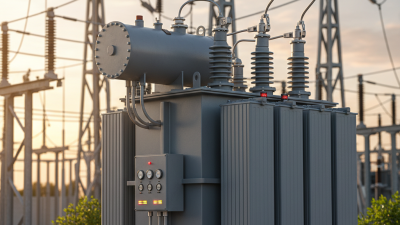
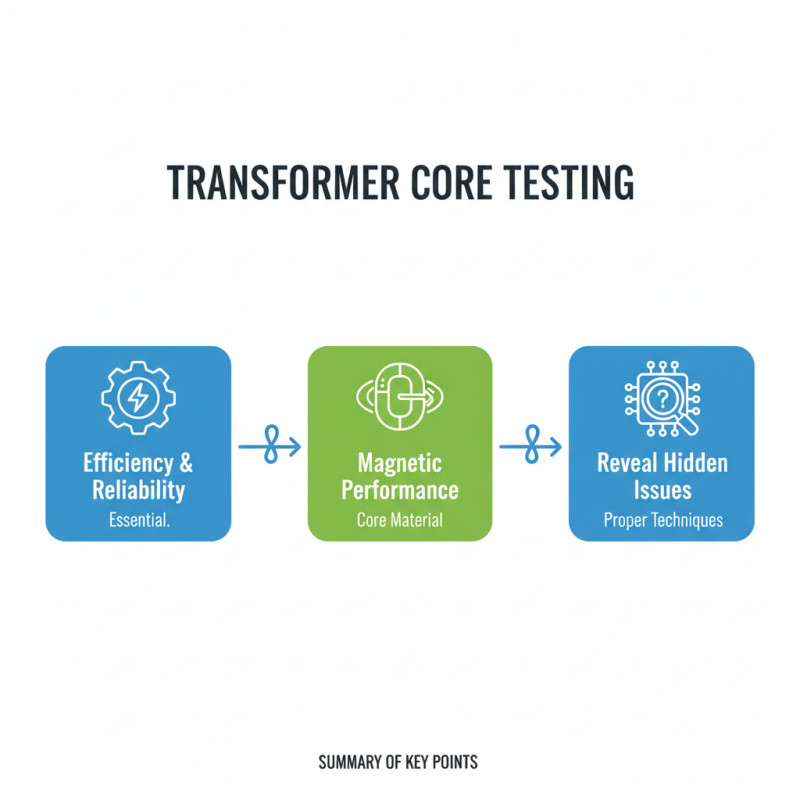
Transformer core testing is crucial for ensuring efficiency and reliability in electrical systems. This process verifies the performance of the core in transformers, which are vital components in power distribution. Proper testing techniques can significantly enhance the longevity and functionality of these devices.
In this article, we will explore ten essential tips for effective transformer core testing. These tips will guide technicians to improve testing accuracy and avoid common pitfalls. Techniques may vary, yet attention to detail is paramount. Common mistakes can lead to costly errors and safety concerns.
Understanding the nuances in transformer core testing can lead to better diagnostics. Each transformer is unique, requiring tailored approaches. By focusing on specific details, you can elevate your testing practices. This article aims to provide practical insights for both novice and experienced professionals in the field.

Understanding Transformer Core Testing: Importance and Objectives
Transformer core testing is crucial for ensuring reliability. Understanding its importance can help prevent failures. These tests identify defects and ensure peak performance. A faulty transformer can lead to significant downtime and costly repairs. Testing helps detect potential issues before they escalate.
Objectives of transformer core testing include safety and longevity. Ensuring that core materials are intact is essential. Even small flaws can cause major disruptions. Regular testing helps maintain operational standards. It serves to inspect insulation quality and core magnetism. However, not all tests are comprehensive. Some may overlook subtle issues that require attention.
Moreover, comparing various testing techniques can be challenging. Each method has its advantages and disadvantages. Selecting the right one may depend on equipment and specific goals. It's a reflection of priorities in testing that can be improved. Attention to detail is critical; neglecting even minor factors can compromise results. Continuous improvement in testing processes is necessary for evolving technologies.
10 Essential Tips for Effective Transformer Core Testing Techniques
| Tip Number |
Testing Technique |
Objectives |
Frequency |
| 1 |
Visual Inspection |
Identify physical damages or leaks |
Monthly |
| 2 |
Insulation Resistance Testing |
Assess insulation condition |
Annually |
| 3 |
Power Factor Testing |
Evaluate insulation and core losses |
Every 3 years |
| 4 |
Sweep Frequency Testing |
Detect core defects and winding faults |
Every 2 years |
| 5 |
Thermal Imaging |
Identify hot spots in core and windings |
Quarterly |
| 6 |
Core Ground Testing |
Check for proper grounding |
Annually |
| 7 |
Transformer Turns Ratio (TTR) Testing |
Verify transformer winding ratios |
Every 5 years |
| 8 |
Voltage Ratio Testing |
Assess voltage output reliability |
Every 3 years |
| 9 |
Frequency Response Analysis |
Detect mechanical and electrical anomalies |
Every 5 years |
| 10 |
Dielectric Breakdown Testing |
Determine insulation quality |
Every 3 years |
Industry Standards for Transformer Core Testing: IEEE & IEC Guidelines
Transformer core testing is vital for ensuring reliability and efficiency in power systems. According to IEEE standards, testing should focus on magnetic properties, which are crucial for optimal transformer performance. The IEEE C57.12.90 standard specifies procedures for measuring core losses. This data informs manufacturers about efficiency levels, guiding them to make necessary adjustments.
IEC guidelines further emphasize the importance of accurate testing techniques. The IEC 60076-1 standard outlines methods for assessing losses and heating conditions. These standards offer a framework to identify potential issues before they escalate. However, many labs struggle with consistent implementation, leading to unreliable data. Education and training are necessary for adherence to these international norms.
In practical terms, techniques like the Circular Test and Open Circuit Test help reveal core flaws. Each test demands precision and care. Missteps can lead to costly errors or miscalculations. Many facilities experience challenges with equipment calibration. This creates a gap in results, which can be detrimental to both safety and efficiency. Understanding these standards is crucial for improvement in transformer core testing processes.
Transformer Core Testing Techniques
Data Analysis in Transformer Core Testing: Interpreting Results Effectively
Data analysis in transformer core testing plays a crucial role in ensuring efficiency and safety. When interpreting test results, one must be meticulous. Draw clear connections between numerical data and real-world applications. Keep the focus on key performance indicators like losses and magnetic saturation. These metrics often reveal the condition of the transformer core and can predict potential failures.
One common pitfall is relying solely on automated tools for data interpretation. Human insight is irreplaceable. Analysts should question the assumptions embedded in software outputs. Are they truly reflective of the core's condition? Gathering additional data through hands-on testing can establish a more comprehensive picture. More context leads to better decision-making.
Consider visual representations of data. Charts and graphs can simplify complex information. However, they can also be misleading. Be cautious of oversimplification. Ensure all relevant factors are included. Stakeholders should engage in discussions about findings and implications. Collective insights can often spot irregularities that one individual might overlook. This collaborative approach enhances overall understanding and promotes informed strategies for transformer core maintenance.
Preventive Maintenance: Leveraging Testing Results to Enhance Performance
Preventive maintenance is key for transformer performance. Regular testing helps identify potential issues before they escalate. This proactive approach improves the reliability of transformers. For instance, partial discharge testing can reveal insulation weaknesses. Detecting these early can save costly repairs later.
Interpreting testing results requires skill. It’s not always straightforward. Sometimes, results can be ambiguous. Technicians must analyze data thoroughly. Each test offers insights, but these must be understood in context. Maintenance schedules should be based on these findings. However, relying too heavily on one type of test can lead to oversights. Balancing various techniques is crucial for a comprehensive evaluation.
Transformers are complex machines. Conditions change over time. A test that was adequate last year may not be sufficient now. Continuous education and adaptation are necessary. Not every outcome will lead to clear solutions. Some may require deeper investigation or a change in strategy. Keeping an open mind will foster improvement in transformer maintenance practices.