Why is Energy Efficiency of Transformers Important for Businesses?
The energy efficiency of transformers is a critical concern for businesses today. According to the U.S. Department of Energy, inefficient transformers waste up to 5% of their input energy. This translates into significant costs for organizations. As energy prices rise and environmental regulations tighten, improving transformer efficiency becomes essential in reducing operational expenses.
In addition, a report from the International Energy Agency highlights that enhancing energy efficiency could lead to a 30% reduction in energy consumption globally. Businesses face challenges in upgrading old transformer systems, which often leads to energy losses. Many organizations fail to recognize the long-term benefits of investing in high-efficiency transformers.
Moreover, the reluctance to replace outdated equipment can hinder a company's competitive edge. As industries strive for sustainability, the energy efficiency of transformers must not be overlooked. Transitioning to more efficient models not only reduces costs but also improves the company's environmental footprint, fostering a more responsible image. Investing in energy-efficient technology offers a practical solution to challenges in energy management, pushing businesses towards a more sustainable future.
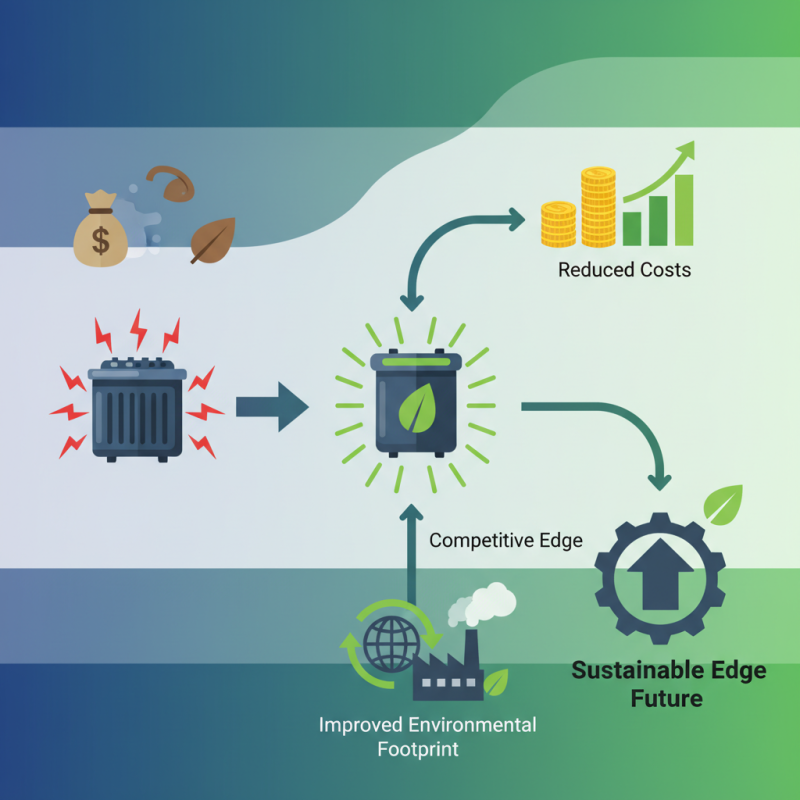
Importance of Energy Efficiency in Transformer Operations
Energy efficiency in transformer operations is vital for businesses. Transformers play a crucial role in power distribution. If they operate inefficiently, energy loss can be significant. This not only increases operational costs but may also lead to environmental concerns. High energy bills reflect poorly on a company’s bottom line and sustainability goals.
Many businesses overlook the potential savings from energy-efficient transformers. Even minor enhancements can lead to substantial reductions in energy consumption. Investing in quality equipment pays off in the long run. Consider upgrading older models to ensure better performance and lower waste. This can also improve reliability and reduce maintenance costs.
**Tip:** Regularly assess transformers to identify energy losses.
Poorly maintained transformers can underperform. Businesses should schedule routine inspections to ensure they operate efficiently. Additionally, educate staff about the importance of energy management. Engaging employees can promote a culture of conservation.
**Tip:** Implement an energy monitoring system.
Real-time data can highlight inefficiencies. By tracking energy usage, companies can make informed decisions. This proactive approach leads to enhanced operational performance and a smaller carbon footprint.
Energy Efficiency of Transformers - Impact on Operating Costs
This chart demonstrates the impact of energy efficiency in transformers on a business's operating costs. As energy efficiency increases, the annual energy savings also rise, leading to significant cost reductions.
Impact of Transformers on Overall Energy Consumption in Businesses
Transformers play a crucial role in the energy ecosystem of businesses. They step down voltage levels and ensure smooth power distribution.
However, their efficiency directly impacts energy consumption. Inefficient transformers can waste a significant amount of energy, resulting in increased operational costs.
When transformers operate below optimal efficiency, businesses experience higher electricity bills. Energy loss often translates into a recurring financial burden.
Improving transformer efficiency can lead to substantial savings. A small increase in efficiency can save businesses hundreds, if not thousands, of dollars annually.
Furthermore, energy-efficient transformers reduce overall carbon footprints.
Businesses today face pressure to adopt sustainable practices. Their choices in energy use affect their environmental impact. Yet, not all companies fully understand transformer efficiency. Many still rely on outdated models, overlooking potential benefits. Small improvements often go unnoticed, but they can lead to significant changes over time.
Cost Savings from Improving Transformer Energy Efficiency
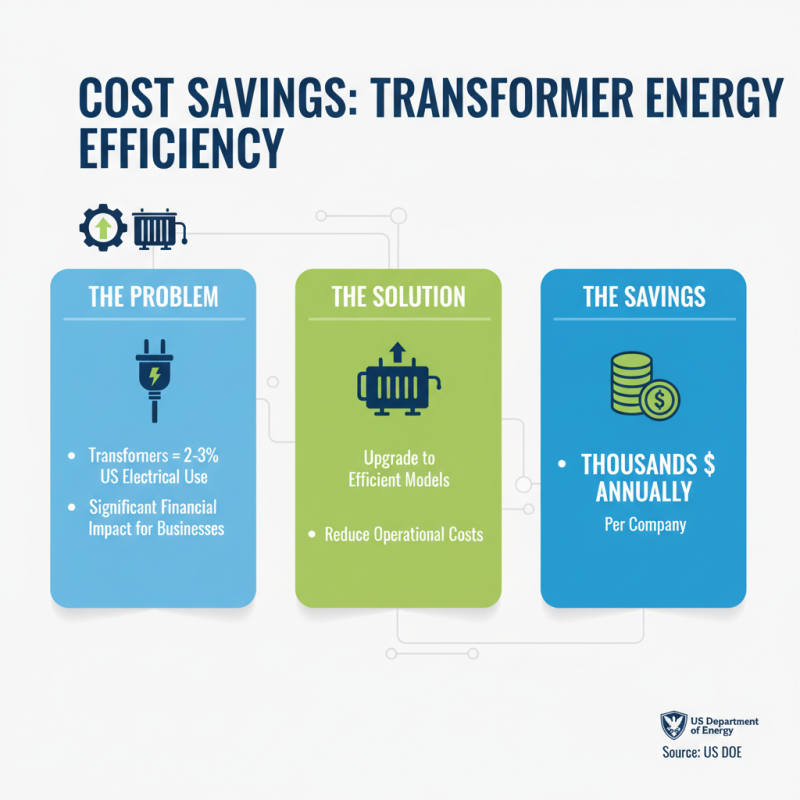
Improving energy efficiency in transformers is critical for reducing operational costs. According to the U.S. Department of Energy, transformers account for about 2-3% of the total energy consumption in the electrical sector. This percentage may seem small, but the financial impact on businesses is significant. Companies can save thousands annually by upgrading to more efficient transformer models.
Many transformers exhibit inefficiencies that lead to wasted energy. For instance, outdated units can have losses as high as 6%. In contrast, modern designs can reduce losses to below 1%. By adopting these advanced technologies, companies can substantially lower their electricity bills. Reports from the International Energy Agency indicate that enhancing transformer efficiency could cut global energy consumption by 10% in the industrial sector alone.
Despite the clear benefits, many businesses hesitate to invest. Initial costs are often perceived as high. However, the return on investment is usually seen within a few years. Furthermore, this focus on energy efficiency aligns with broader sustainability goals. Companies that improve transformer energy efficiency not only save money but also contribute to environmental stewardship.
Regulatory Standards and Compliance for Transformer Efficiency
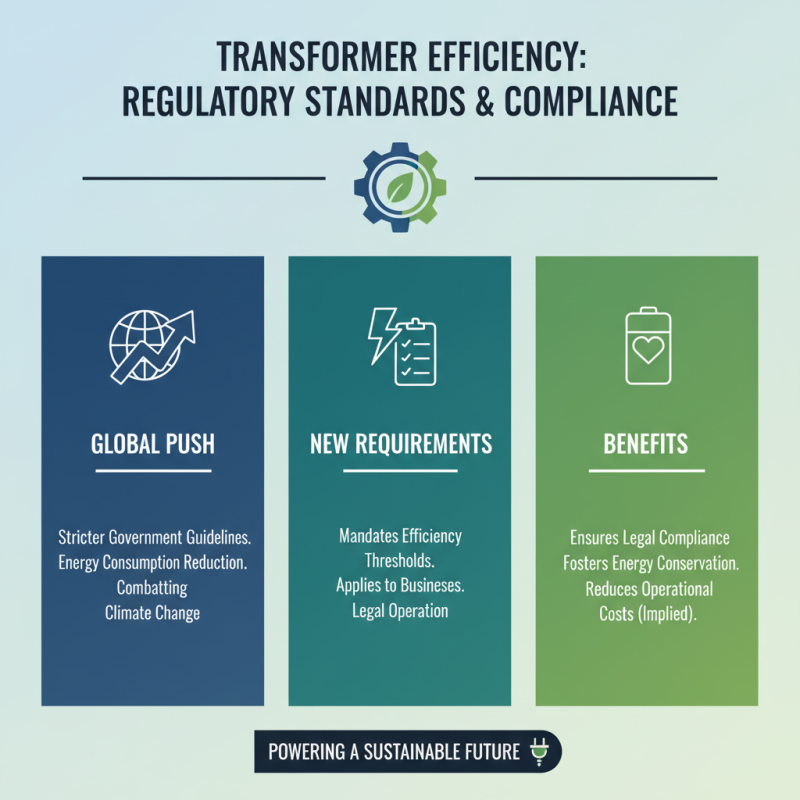
In recent years, regulatory standards for transformer efficiency have become increasingly important. Governments worldwide are imposing stricter guidelines on energy consumption to combat climate change. These regulations often require businesses to use transformers that meet certain efficiency thresholds. Compliance not only ensures legal operation, but it also fosters energy conservation.
Transformers play a significant role in energy distribution and usage. An inefficient transformer can waste substantial energy, leading to higher operational costs. Companies may face fines or incentives based on their compliance status. Adhering to these regulations can improve a company’s reputation and reduce its carbon footprint.
However, navigating these standards can be challenging. There are various regulations across different regions, making it difficult for businesses to keep up. This complexity can lead to unintentional non-compliance, resulting in penalties. Organizations must stay informed about changing laws and invest in the necessary technology. Awareness and adaptability are crucial for maintaining both compliance and competitiveness in today’s market.
Innovative Technologies for Enhancing Transformer Efficiency
Improving transformer efficiency is vital for many businesses. Innovative technologies play a pivotal role in this. Advanced materials, like amorphous steel, reduce energy losses. According to a study by the U.S. Department of Energy, using high-efficiency transformers can save up to 30% in energy consumption compared to traditional models.
Another breakthrough technique is smart monitoring. Sensors capture real-time data about energy usage. This allows companies to pinpoint inefficiencies. The International Energy Agency estimates that optimizing transformer operation could lead to a reduction of 5-10% in energy costs annually.
Tip: Regular maintenance is essential. Small issues can escalate quickly. Schedule inspections to ensure peak performance.
Modern designs also contribute to greater efficiency. Designs that minimize stray losses help in lowering electricity costs. However, businesses must invest wisely. While high-efficiency transformers may cost more upfront, the long-term savings are often significant.
Tip: Consider both initial costs and future savings. Conduct a thorough cost-benefit analysis before making decisions. Understanding these factors enables better financial planning for energy efficiency.
Why is Energy Efficiency of Transformers Important for Businesses?
| Dimension |
Data |
| Average Efficiency of Transformers |
98% |
| Estimated Energy Loss per Year |
$5,000 |
| Carbon Emission Reduction Potential |
20 tons/year |
| Average Payback Period for Upgrading Transformers |
3-5 years |
| Percentage of Electricity Cost Savings |
10-15% |
| Improved Transformer Longevity |
Up to 25 years |