Top Energy Efficiency Transformers How Do They Work and Their Benefits?
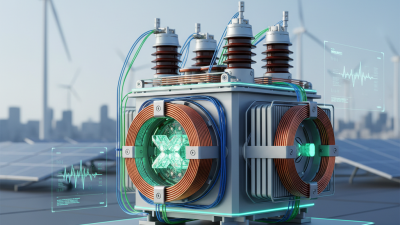
In today's energy-conscious world, the importance of energy efficiency transformers cannot be overstated. Experts like Dr. Eva Thompson, a leader in the field, highlight their significance: "Energy efficiency transformers not only reduce losses but also enhance overall system performance." These transformative devices play a critical role in optimizing electrical systems.
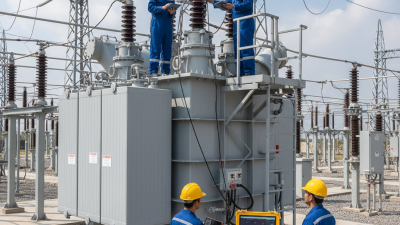
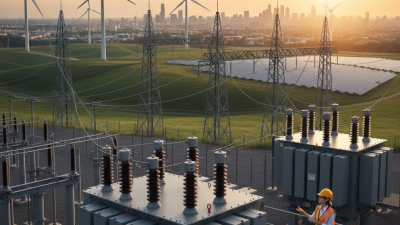
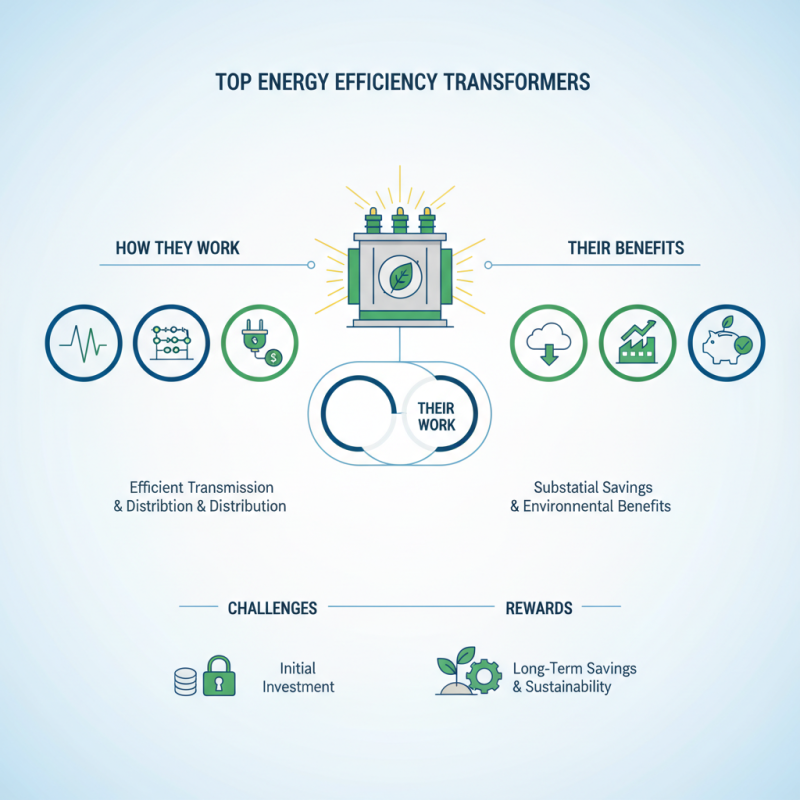
Energy efficiency transformers are designed to minimize energy losses during transmission and distribution. This innovation leads to lower operating costs and a reduced carbon footprint. The impact of these transformers extends to various industries, promising substantial savings and environmental benefits. Notably, they are crucial for modern electrical infrastructure.
However, the adoption of energy efficiency transformers is not without challenges. The initial investment can be significant. Businesses must weigh these costs against potential long-term savings. While the benefits are clear, understanding the best application of this technology requires ongoing research and reflection. The journey toward energy efficiency is filled with complexities, but the rewards are undeniable.
Understanding Energy Efficiency Transformers: Definition and Function
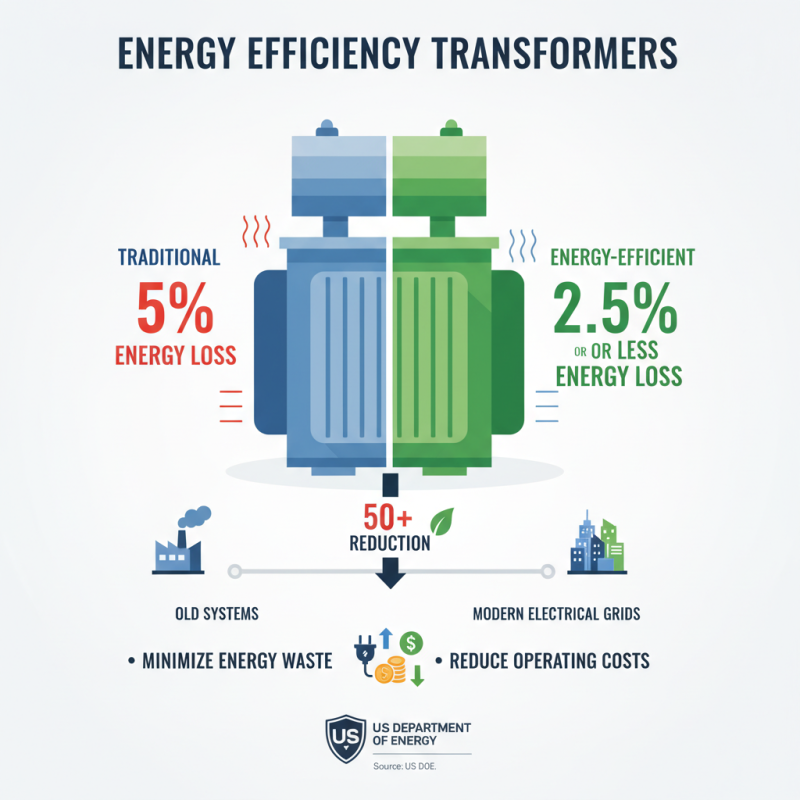
Energy efficiency transformers are crucial in modern electrical systems. These devices are designed to minimize energy loss during electricity transmission. According to the U.S. Department of Energy, traditional transformers can lose about 5% of energy as heat. In contrast, energy-efficient models can reduce these losses significantly, sometimes by more than 50%.
The core function of these transformers is to convert voltage levels while maintaining system reliability and efficiency. Improved designs, such as amorphous steel core technology, enhance performance. This material lowers energy waste and reduces costs over time. A report from the Institute of Electrical and Electronics Engineers highlights how adopting efficient transformers can save utilities millions annually.
However, challenges remain. The initial investment for energy-efficient transformers can be higher. Some may hesitate to upgrade due to these costs. Moreover, not all systems are compatible with new technologies, which may necessitate additional changes. While benefits exist, careful consideration is necessary to ensure the right balance between efficiency and practicality.
Key Technologies Behind Energy Efficiency in Transformers
Energy-efficient transformers play a crucial role in modern electrical systems. They utilize innovative technologies to reduce energy losses. These transformers help in maintaining optimal performance while supporting lower operational costs.
One key technology is the use of amorphous steel cores. This material has lower energy losses compared to traditional silicon steel. Amorphous cores minimize hysteresis losses, meaning less energy is wasted as heat. High-quality insulation materials also contribute significantly. They improve performance and extend the life of the transformer, reflecting a commitment to sustainability.
Another important aspect is the design of the winding. Optimizing the winding configuration can enhance efficiency. However, the process may lead to increased manufacturing complexity. Not every transformer benefits equally from these technologies. Real-world application varies based on specific use cases and conditions. It's essential to weigh the benefits against potential challenges in each scenario.
Energy Efficiency in Transformers
This bar chart illustrates the energy efficiency of different types of transformers. The data shows that standard transformers have an efficiency of around 95%, while high-efficiency transformers come in at 98%. Super efficiency transformers lead the way with an impressive 99% efficiency, showcasing advancements in technology that contribute to energy savings and reduced operational costs.
Industry Standards and Classifications of Energy Efficient Transformers
Energy-efficient transformers are essential in reducing power losses in electrical systems. These transformers can significantly lower energy consumption, making them a key component in sustainable practices. According to the U.S. Department of Energy, replacing conventional transformers with energy-efficient models can reduce energy losses by up to 30%. This is particularly beneficial in large industrial settings where energy costs can be substantial.
Industry standards for energy-efficient transformers focus on classification. In the U.S., the National Electrical Manufacturers Association (NEMA) provides guidelines that define efficiency levels. NEMA Premium transformers meet strict efficiency criteria, often exceeding Department of Energy standards. Internationally, the Institute of Electrical and Electronics Engineers (IEEE) sets standards for transformer performance and efficiency. These classifications help facilities choose the right equipment, although some users may struggle to comprehend them fully.
Even with clear standards, the initial investment for energy-efficient transformers can be high. Many facilities hesitate to switch. However, the long-term savings on energy bills can offset these costs. A report by the American Council for an Energy-Efficient Economy suggests that, on average, energy-efficient transformers can pay for themselves within five years through energy savings alone. Balancing cost and efficiency remains a challenge, yet the benefits are undeniable.
Financial Benefits: Cost Savings and Return on Investment Analysis
Energy efficiency transformers offer significant financial benefits. Companies that invest in these technologies often experience considerable cost savings. The reduction in energy consumption directly lowers utility bills over time. This trend translates into a positive return on investment, making them an attractive option for businesses looking to enhance their operations.
Maintaining and operating these transformers can still have hidden costs. While initial savings are clear, some may overlook ongoing maintenance expenses. Poorly maintained equipment might not achieve expected efficiency levels. This adds layers of complexity to the financial analysis. Despite these factors, many companies feel the long-term savings outweigh immediate concerns.
Investing in energy efficiency also promotes sustainability. As businesses reduce their energy footprint, they align with global energy goals. However, the shift requires careful planning and evaluation. Each company must assess its unique needs and potential drawbacks before making significant investments. This reflection ensures informed decision-making in the long run, maximizing both savings and environmental impact.
Environmental Impact: Reducing Carbon Footprint with Efficient Transformers
Energy-efficient transformers play a crucial role in reducing the overall carbon footprint. By converting voltage more effectively, they waste less energy as heat. This is particularly critical in large-scale operations where energy loss can be substantial. Conventional transformers often lose up to 10% of energy during the process. In contrast, high-efficiency transformers minimize these losses significantly.
Implementing efficient transformers reduces greenhouse gas emissions. They consume less electricity, resulting in fewer fossil fuels burned in power plants. This leads to lower air pollution levels. Additionally, the production of efficient transformers typically uses fewer materials and generates less waste. However, the initial cost can be daunting, and some organizations hesitate to adopt them. This raises the question of balancing upfront investment against long-term sustainability benefits.
It's essential to remember that not all transformers are created equal. Some may not perform as expected over time. This inconsistency can lead customers to feel disillusioned. Continued education on the importance of energy efficiency is necessary. Awareness of the environmental impact should drive more informed choices in technology adoption.